



You can make money with 3d printing right from your own home. Many people use a 3d printer to sell custom products, offer local printing services, or design and sell unique models. Even if you are new to this, you can start small and see real results. The average startup cost for a home-based 3d printer setup is much lower than a commercial shop.
- Most people spend about $5,000 to $15,000 for equipment and tools.
- You save money by working from home and keeping overhead low.
- Renting or using community maker spaces can help you spend even less.
With so many opportunities, you can turn your creativity into cash. If you want to make money with a 3d printer, you just need the right idea and a little effort. You will find that it is easier than you think to make money with 3d printing.
Make Money with a 3D Printer
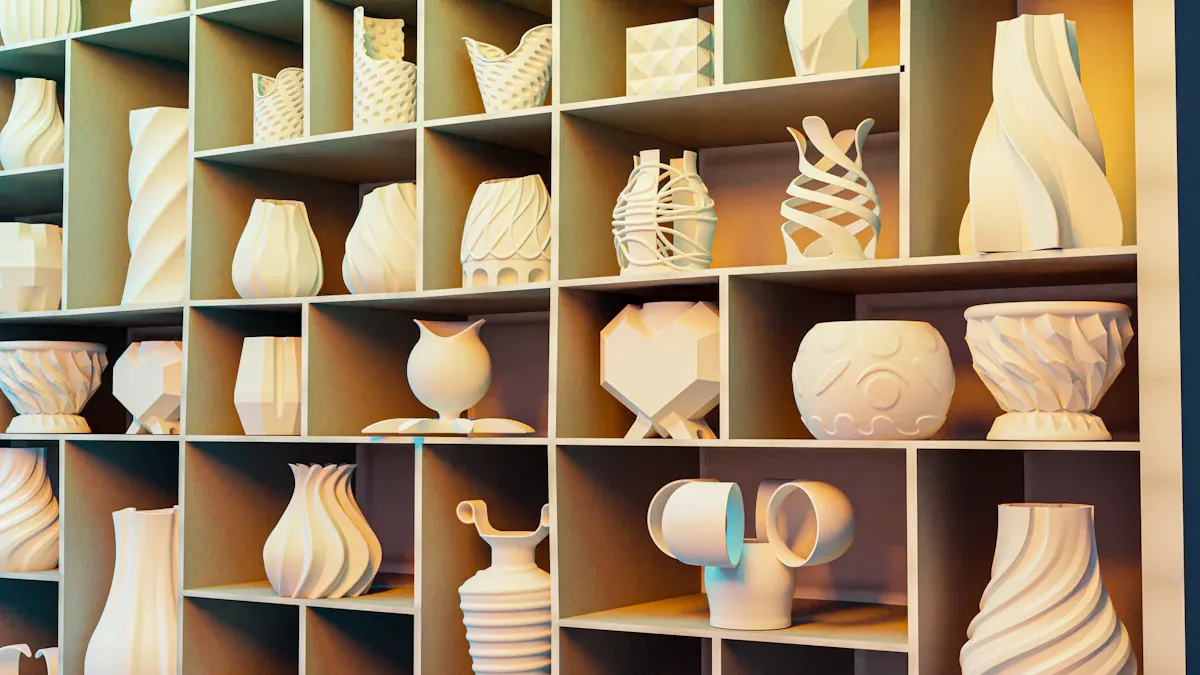
You can earn money with 3d printing in different ways. You might sell products, offer services, or make digital designs. There is a way for everyone to profit. Let's look at the most popular ways to make money with a 3d printer at home.
Selling 3D-Printed Products
Selling 3d-printed products is a simple way to begin. You can make things like gaming miniatures, jewelry, home décor, and gifts. People like custom 3d-printed products because they are special and not sold in stores.
Here are some top-selling groups and what you could earn:
|
Category |
Examples |
Revenue Insights |
|---|---|---|
|
Accessories |
Keychains, sunglasses, wallet organizers |
Personalized keychains: $1,500–$3,000/month |
|
Household Tools |
Hooks, cable organizers, plant pots |
- |
|
Decor & Interior Furnishings |
Lampshades, wall art, vases |
Vases: ~458 units/month, $6,043/month |
|
Games & Toys |
Chess sets, dice, action figures |
- |
|
Jewelry |
Rings, earrings, pendants |
$2,000–$6,000/month for new products |
|
Miniatures |
Figurines, game terrain |
- |
|
Phone Cases |
Personalized cases, stands |
~3,876 units/month |
You can sell on websites that focus on handmade or custom items. Some people make money with 3d printing by selling cool, decorative things. Others sell useful items like replacement parts.
Tip: Always check the license for any digital file you use. Only sell 3d printed products you have permission for. Selling items from files without rights can get your account banned or cause legal problems.
How much you earn depends on what you sell. If you sell quick fixes, like a replacement knob, you might earn less. If you solve a big problem or offer something special, you can charge more and make more money.
Offering 3D Printing Services
Starting a 3d printing service lets you help others with their ideas. Many people and small businesses need custom printing but do not own a 3d printer. You can offer print-on-demand for prototypes, custom parts, or art.
Here are some popular 3d printing services:
- Prototyping for inventors and startups
- Custom products like glasses frames or pet collars
- Collectibles and miniatures for gamers
- Jewelry and art pieces
- Spare parts for machines or home items
- Medical models and educational tools
- Architectural models for builders
- Gaming accessories and storage solutions
You can charge by the hour, by project, or by material used. For example, a 10-hour print might cost $10 in materials and $0.10 in electricity. Add your labor and profit to set your price. Some repair services charge $45 to $65 per hour, plus parts.
Designing and Selling 3D Models
If you like designing 3d models, you can earn money by selling your digital files. Many people want to print cool items but cannot design them. You can upload your models to big marketplaces and get paid when someone buys your design.
Popular places for selling 3d models have lots of buyers and flexible prices. Some let you keep most of your sales, while others take a cut. You can sell models for miniatures, jewelry, home décor, or educational kits.
Note: Protect your designs by adding your name or logo. Register your copyright if you can. Only sell your own work to avoid copyright problems.
Dropshipping and Print-on-Demand
Dropshipping with 3d-printed products is an easy way to earn money. You work with a supplier who prints, packs, and ships items. You focus on selling and marketing. When someone orders, the supplier prints and ships the item.
This way, you do not need inventory or money up front. But you must manage customer expectations, especially about printing times. Quality is important. Always order samples before selling. Legal risks exist, so check trademarks and patents before listing products.
Growing your business with dropshipping means adding new products, entering new markets, and using tools to manage orders. Print-on-demand works the same way, letting you sell custom 3d-printed products without owning a printer.
Renting Out Your 3D Printer
If you have a 3d printer but do not use it all the time, you can rent it out. Hobbyists, students, or small businesses may need a printer for a short time. Renting helps you earn money with a 3d printer with little work.
Before renting, check your insurance. Renting out a 3d printer can be risky if someone prints something broken or unsafe. Think about general liability, product liability, and equipment insurance. Protect your business from cyber risks and property claims.
Teaching and Content Creation
You can also earn money with 3d printing by teaching others. Offer classes, workshops, or coaching. Teach basic printing, advanced modeling, or how to fix problems. Schools, maker spaces, and community centers often need teachers.
Making content is another way to earn money. Create tutorials, reviews, or software guides. Post videos on social media or course sites. Make money with ads, sponsors, or memberships. Keep your lessons clear and fun to get more students.
Repair and Maintenance Services
Many people need help keeping their 3d printers working well. You can offer repair and maintenance for common problems like filament jams, bed leveling, or updates. Cleaning, upgrades, and regular checks are also needed.
Here are some common jobs:
- Cleaning nozzles and build plates
- Adjusting belt tension
- Lubricating rods and rails
- Updating firmware
- Fixing print failures
Repair services usually charge $45 to $65 per hour, plus parts. You can offer repair at your shop, at the customer's place, or rent a printer while theirs is fixed.
Remember: Always respect intellectual property rights. Only sell or print items you have permission for. This keeps your business safe from takedowns or lawsuits.
With these ideas, you can earn money with 3d printing in many ways. Pick the way that matches your skills and interests. Focus on quality, following the law, and good customer service to grow your business and make more money.
Find Your Niche
Picking your niche is a key step for your 3d printing business. You should choose products people want but not many others sell. This makes you different from other sellers.
Research Market Demand
Begin by looking at popular sites like Etsy, Thingiverse, and MyMiniFactory. These websites show what buyers search for and what sells best. Check out top sellers, trending tags, and reviews from customers. You can also visit forums and social media groups about 3d printing. See what people talk about and what they want. Some people use paid databases or government sites to find market trends. Experts mix data from reports and interviews to learn what buyers like.
Tip: Split your research by product type, technology, and use. This helps you find small but growing parts of the 3d printing market.
Identify Profitable Products
Pick products that people buy often and make good money. Use marketplaces to see which items get lots of sales and good reviews. Things like custom phone cases, holiday cookie cutters, and special jewelry sell well. People like items that are unique or fix a problem. Home decor, toys, and useful gadgets also sell quickly. Watch for trends like eco-friendly materials or pop culture styles. These can help your products get noticed.
|
Product Type |
Why It Sells Well |
|---|---|
|
Custom Accessories |
People want items made just for them |
|
Toys & Fidgets |
Fun and popular with kids and adults |
|
Home Decor |
Adds style and function to any space |
|
Practical Gadgets |
Solves everyday problems |
Analyze Competition
Look at how many sellers offer the same products on each site. On some platforms, you need to make your own designs. This means less direct competition. Unique products and creative ideas attract more buyers. Some sellers use AI or change files a little to follow rules. Always follow the rules of each 3d printing marketplace. If you see too many similar items, try a new niche or add your own twist. Being creative and original helps you do well even in busy markets.
Set Up Your 3D Printer Business
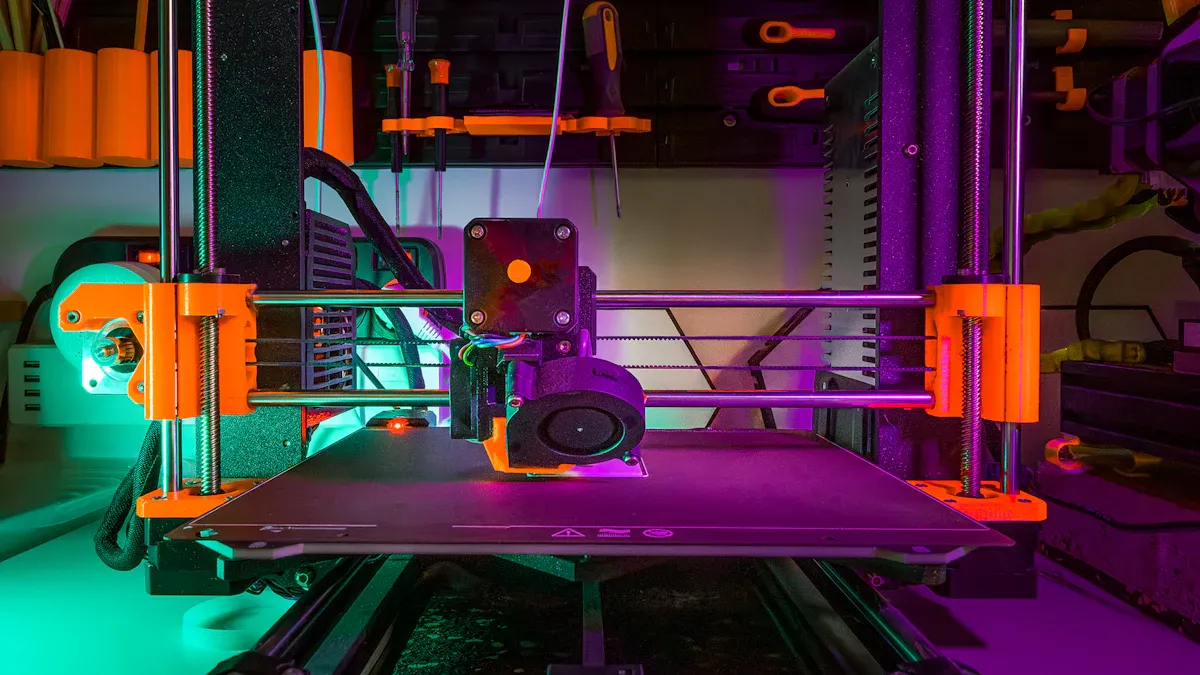
Choose the Right 3D Printer
You want your 3d printing business to run smoothly, so picking the right printer matters. Start by thinking about what you plan to print. Do you want to make small figurines, large parts, or detailed jewelry? Your goal shapes your choice. Look at the build volume to see if the printer fits your needs. Check the print technology, like FFF or SLA, because each works best for different products.
Here are some things to consider before you buy:
- What do you want to print?
- How big are your prints?
- What materials will you use?
- What is your budget for the printer, materials, and upgrades?
- Does the printer have safety features for home use?
- Is it easy to operate and maintain?
- Does it offer good print quality and resolution?
- Can you get help from the manufacturer or user community?
- Does it come with a warranty?
A printer with auto-calibration and user-friendly software saves you time. Safety features like enclosed chambers and filtration systems protect your home. Always read user reviews to learn about real-world performance.
Learn Essential Skills
Running a 3d printing business means you need a few key skills. You should know how to design and modify 3D models using software like Blender or Fusion 360. You need to calibrate your printer, troubleshoot problems, and manage printing variables. Understanding different materials, such as PLA or ABS, helps you pick the right one for each job.
Here's a quick list of skills you'll use:
- Design and modify 3D models for printing.
- Operate and maintain your printer, including calibration and troubleshooting.
- Handle filaments and materials safely.
- Finish printed parts by sanding, painting, or polishing.
- Follow safety rules and use protective gear.
- Organize workflow and track orders.
- Communicate with customers and solve problems.
Learning these skills helps you deliver high-quality prints and keep your business running well.
Prepare Your Workspace
A good workspace makes your printing easier and safer. Pick a spot with low noise, like a garage or private office. Make sure you have enough room for your printer and tools. Use a sturdy desk that can hold the weight of your printer. Organize your area into zones: one for printing, one for storing filament and tools, and one for designing on your computer.
Here are some tips for setting up your workspace:
- Choose a desk at least 60 inches wide for comfort.
- Store filament, tools, and spare parts within reach.
- Use cable management tools to keep cords tidy.
- Add dampening pads under the printer to reduce vibrations.
- Set up good lighting to see print details.
- Make sure the area has ventilation to handle heat and fumes.
- Pick ergonomic features to stay comfortable during long printing sessions.
A well-organized workspace helps you work faster and keeps your 3d printing business safe and efficient.
Market and Sell Your Offerings
List Products Online
To sell your 3d printed items, you need to put them online. Each website is good for different things. Some are best for gifts, while others are better for useful items or digital files. Here is a table that shows where you can sell your 3d printing work:
|
Platform |
Best For |
Key Features & Tips |
|---|---|---|
|
Handmade Sites |
Unique, artistic, personalized |
Great for gifts, jewelry, and home decor; low fees; buyers like creative things |
|
Large Retailers |
Mass-producible, daily-use items |
Good for phone holders and kitchen tools; strict rules; can help with shipping |
|
Auction Sites |
Niche gadgets, prototypes |
Flexible sales; keyword tools; good for special or new items |
|
Branded Stores |
Full control over branding |
Lets you grow your brand; works with print-on-demand; helps you scale up |
|
Digital Model Sites |
Selling 3D models (STL files) |
Special sites for models; buyers want to print; less competition for designers |
You can sell things you print or digital files. Choose the site that fits your products and goals.
Promote on Social Media
Marketing helps people notice your 3d prints. Use Instagram and Pinterest to share bright photos and videos. Join groups for 3d printing fans to meet more people. Show what customers say about your products to build trust. Use design apps to make your posts look nice. Share behind-the-scenes photos to keep people interested. Work with influencers or bloggers to reach more buyers. You can also join online classes to learn and meet others. Use hashtags so people can find your posts. AI tools can help you plan posts and answer questions quickly.
Manage Orders and Customer Service
Good service makes customers come back. Give buyers easy ways to contact you, like email or forms. Answer fast and tell them about their orders. Share details about file types, materials, and how long things take. Break big jobs into steps, like design approval and shipping, and send updates each time. Ask for feedback after each sale to get better. If something goes wrong, like a print fails or a package is damaged, reply quickly and explain how you will fix it. Offer extra help, like tips on materials or design changes, to make customers happy.
Tip: Always check your 3d prints before you ship them. This keeps your business looking good.
Scale and Diversify
Growing your 3d printing business means you need to think bigger. You want steady revenue, not just one-time sales. Let's look at how you can expand, automate, and create new ways to earn.
Expand Product Range
You can start with one printer and a few products. Once you know what sells, add more items to your shop. Focus on products that give you at least $2 profit per print hour and a 30% gross profit margin. If something does not meet these numbers, stop making it and try something new. Use your profits to buy more printers and test new ideas. Try different materials and printing methods to make unique products. You can solve real problems for customers by listening to their needs. Some people make products for home, school, or even cars. Others use rapid prototyping to improve their designs fast.
Tip: Always check which products sell best. Drop the slow ones and put your energy into winners.
Automate and Outsource
- As your business grows, you will need help. Automation tools let you manage print jobs, track orders, and plan maintenance from anywhere. You can set up print queues, monitor printers, and even schedule repairs. These tools help you use your time better and keep your printers busy. You can also outsource some work, like shipping or customer service, to save time. This way, you can focus on designing and marketing.
- Use cloud-based software to watch your printers from your phone.
- Assign print jobs to different printers to save time.
- Plan repairs so your business does not stop.
Diversify Income Streams
You do not have to stick to just one way of making money. Sell digital files for passive income. Offer classes or tutorials to teach others about 3d printing. Build a brand on social media to reach more people. You can also team up with other creators to make bundles or special collections. Try selling both practical and fun products. Some people even license their designs for extra revenue.
Note: The more ways you earn, the more stable your business becomes.
You can turn your 3D printer into a real money-maker if you follow these steps. Start with simple projects and focus on making each print the best it can be. Keep learning new skills and try different ways to earn, like selling products or building passive income with digital designs. Ready to get started? Your 3D printing journey begins now!