

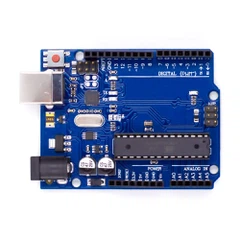
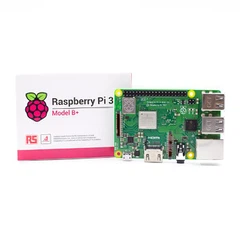


ou might wonder why a development board sits at the heart of so many cool tech projects. These boards let you turn ideas into working devices, helping you jump from concept to reality. Whether you want to build a smart home gadget or learn about embedded systems development, a development board makes rapid prototyping simple and affordable. Check out how they shape modern industries:
|
Area |
Impact |
|---|---|
|
IoT & Manufacturing |
Enable fast testing and new device creation |
|
Education |
Make learning electronics hands-on and fun |
|
Innovation |
Open doors for startups and hobbyists |
Understanding the importance of development boards empowers you to create, test, and improve your own inventions.
Why Development Boards Matter
Learning and Education
You might notice that development boards show up in almost every classroom where students learn about electronics. These boards make learning and education hands-on and exciting. When you use a development board, you get to see how microcontrollers work, write code, and build real circuits. This is a big reason why modern electronics education relies on them.
Many schools and universities use development boards like Arduino to teach coding, circuit design, and microcontroller basics.
You can work with real components on breadboards, use modular add-ons called shields, or even try computer simulations.
Hands-on labs help you understand how things work by letting you touch, see, and build. This can make lessons more memorable and fun.
Virtual labs and simulations give you a safe and cost-effective way to experiment, especially when real parts are expensive or hard to find.
Projects using development boards often cross into other subjects, like robotics or chemistry, showing how electronics fit into the real world.
When you use a development board in class, you build problem-solving skills and learn how to turn ideas into working projects. This approach helps you get ready for embedded systems development and future careers.
Prototyping and Testing
If you want to bring an idea to life, you need to test it quickly. Development boards make this possible. You can create a development board prototype in just a few hours or days, instead of waiting weeks for traditional circuit designs. This speed is a game-changer.
You can build and test your prototype fast, which means you find problems early and fix them before they get expensive.
Development boards let you try out different designs, change your code, and see what works best.
You save money because you avoid costly mistakes and don't need to order large batches of custom parts.
Quick turn PCBs and modular designs help you make changes and test new ideas without waiting for long production times.
Automated testing tools on development boards help you check your work after every change, so you know your project works as expected.
Development boards also make troubleshooting easier. They come with built-in tools and ready-to-use hardware, so you can spot and fix issues faster. You don't have to spend hours setting up or configuring parts. This means you spend more time building and less time worrying about what went wrong.
Innovation and Industry
Development boards drive innovation in the electronics industry and help new ideas reach the market. You see them everywhere, from startups to big companies. They are the reason why so many new products appear so quickly.
|
Company/Service |
Product/Innovation |
Description |
|---|---|---|
|
IDEO |
Wearable breast pump |
Cordless, bottle-free device for discreet breastfeeding. |
|
Frog Design |
Lumen CO2 monitor |
Handheld device measuring CO2 by breathing. |
|
Smart Design |
OXO Rapid Brewer |
Cold brew coffee maker that works in minutes. |
|
Protolabs |
HP inkjet printers |
Faster design cycles for new printers. |
|
Speck Design |
Google Project Tango tablet |
Real-time spatial mapping with sensors. |
|
Speck Design |
PopSockets |
Popular mobile phone accessory. |
|
KC Proto |
Arduino/RFID drawer lock |
Award-winning smart lock prototype. |
You can see that many famous products started as prototypes on development boards. These boards help you test ideas, show them to others, and improve them before making a final product.
Development boards also play a huge role in IoT. They let you collect data, connect devices, and control things remotely. Industries like healthcare, agriculture, and manufacturing use them to build smart solutions. The boards support many types of connections, like Wi-Fi and Bluetooth, so you can link your project to the cloud or other devices.
Open-source hardware platforms, such as Arduino and ESP32, make it easier for you to start a project. You get access to lots of resources, examples, and support from a big community. This lowers the cost and makes it possible for anyone, even startups, to create new products. The open-source approach also encourages teamwork and sharing, which leads to even more innovation.
Tip: If you want to join the next wave of tech creators, learning how to use development boards is a great place to start. You can turn your ideas into real products and maybe even launch your own company!
What Is a Development Board

Image Source: unsplash
A development board gives you a simple way to build and test electronic projects. You can think of it as a ready-made playground for your ideas. When you use a development board, you do not need to start from scratch. You get all the important parts in one place, so you can focus on making your project work.
Main Components
Every development board comes with a few key parts that help you bring your ideas to life:
Microcontroller or Microprocessor: This is the brain of the board. It runs your code and controls everything else.
Memory: You need memory to store your programs and data. Boards usually have both RAM (for running tasks) and Flash or EEPROM (for saving your code).
Input/Output (I/O) Interfaces: These let your board talk to the outside world. You can connect sensors, lights, motors, or even other computers using digital and analog pins, USB, UART, or SPI.
Power Supply: Your board needs power to work. Some boards use batteries, while others plug into a wall or a computer.
Clock Source: A tiny crystal or chip keeps everything running on time. It helps the microcontroller process instructions at the right speed.
Tip: When you pick a development board, check if it has the right mix of these parts for your project.
Typical Uses
You might wonder why so many people use development boards. They make building, testing, and learning much easier. Here's a quick look at how you can use them:
|
Environment |
Typical Development Boards |
Common Use Cases and Applications |
|---|---|---|
|
Educational |
Arduino |
Home automation, robotics, wearables, interactive art, and fun learning projects |
|
Professional |
Raspberry Pi, ESP32 |
Media centers, IoT gateways, wireless sensor networks, and projects needing more processing power |
|
Both |
Various |
Rapid prototyping, testing, easy development, and strong community support |
You can join a huge community when you use an open-source platform. This means you get lots of help, free code, and new ideas from people all over the world. A development board lets you try out your ideas fast, fix problems, and learn new skills along the way.
Benefits of Development Boards
Versatility and Flexibility
You might wonder why so many people choose development boards for their projects. These boards give you the freedom to try out new ideas in many ways. You can use them for learning, testing, or even building a final product. Development boards work well in classrooms, labs, and factories. They support different types of sensors, displays, and motors. You can use them for smart device development, robotics, or even art projects.
You can pick from many shapes and sizes, so you always find one that fits your needs.
Flexible mounting options let you use them in tight spaces or on moving parts.
Add-on boards and breakout boards make it easy to add new features without starting over.
Note: A ready-to-use platform saves you time and lets you focus on your ideas instead of building everything from scratch.
Simplifying Development
Development boards make your work much easier. You do not have to worry about wiring mistakes or hard-to-read pin labels. Most boards have clear, labeled pins and standard headers. This means you can connect parts quickly and avoid errors. You also get built-in tools like debug ports and pre-installed drivers.
Standard layouts help you learn faster and reduce the chance of mistakes.
Quick testing and easy changes let you improve your prototype without waiting.
Integrated parts like resistors and capacitors keep your circuits stable.
You can program these boards with simple software. Many boards come with lots of online guides and a big community to help you. This support makes development boards perfect for both beginners and experts.
Real-World Applications
Development boards play a huge role in real-world projects. You see them in everything from home gadgets to big industrial machines. They help you test ideas, find bugs, and show your work to others. Here are some ways development boards make a difference:
1. You can check your design early and catch problems before they get expensive. 2. You can test different parts to see which ones work best. 3. You can build, test, and improve your design quickly. 4. You can launch your product faster because you fix issues early. 5. You can save money by avoiding costly mistakes. 6. You can show working prototypes to investors or your team.
In the world of IoT, development boards help you connect devices, collect data, and control things from anywhere. Companies use them to build smart solutions for homes, farms, and factories. You can try different boards, like microcontrollers or microcomputers, to find the best fit for your project. This way, you bring your ideas to life faster and with less risk.
Types of Development Boards
Image Source: unsplash
You might wonder why there are so many types of development boards. Each type helps you solve different problems and brings unique benefits to your projects. Let's look at the main categories and see why you might choose one over another.
Microcontroller Boards
Microcontroller boards are the most common type you will find in classrooms and hobby shops. You use them when you want to control sensors, lights, motors, or other simple devices. These boards run one program at a time and do not need an operating system. This makes them perfect for microcontroller projects that need quick response and low power.
Here are some popular development boards you might see:
|
Microcontroller Board |
Key Features & Processor |
Typical Applications & Suitability |
|---|---|---|
KUONGSHUN |
High-quality manufacturing process from KUONGSHUN USB cable with signal shield Nice packaging A good after-sales service | Education, beginner projects, robotics, home automation |
|
Arduino Uno |
ATmega328P, easy to use, extensive docs |
Education, beginner projects, robotics, home automation |
|
Raspberry Pi Pico |
RP2040 dual-core Cortex-M0+, MicroPython support |
Embedded systems, IoT, robotics, low power projects |
|
ESP32 |
Wireless connectivity (Wi-Fi, Bluetooth) |
IoT, wireless communication projects |
|
STM32 Nucleo |
ARM Cortex-M based, extensive libraries |
Industrial control, robotics, advanced embedded projects |
You might pick a microcontroller board if you want something small, cheap, and easy to use. These boards work well for microcontroller projects that need a microcontroller or microprocessor to handle simple tasks. Many popular development boards in this category help you learn coding and electronics without spending much money.
Tip: If you want a low-cost wi-fi-enabled microcontroller for your next IoT project, try the ESP32. It gives you wireless power in a tiny package.
Single-Board Computers
Single-board computers (SBCs) give you more power and flexibility. You use them when your project needs multitasking, a display, or internet browsing. SBCs like the Raspberry Pi 3 Model B+ have a fast processor, lots of memory, and run a full operating system like Linux. This lets you build media centers, automation systems, or even small servers.
|
Feature |
Microcontroller Boards (MCUs) |
Single-Board Computers (SBCs) |
|---|---|---|
|
Processing |
Typically single-core processors, no OS, runs one program loop |
Multi-core processors, runs full OS (usually Linux) |
|
Programming |
Easy with bootloaders |
Standard OS environment allows complex software development |
|
Complexity |
Simple, no drivers or OS, limited multitasking |
Complex, supports multitasking and drivers |
|
I/O Capabilities |
Analog and digital I/O, PWM support |
Standard computer interfaces (USB, HDMI, Ethernet) |
|
Use Cases |
Low-cost, low-power embedded control, sensor interfacing |
Desktop-like applications, multimedia, networking, education |
|
Cost and Size |
Small, cheap |
Larger, more expensive |
You might choose an SBC when you want to run several programs at once or need a screen and keyboard. SBCs work well for education, coding, and even some industrial uses. They are not as powerful as a desktop, but they use less power and fit in small spaces.
Specialized Boards
Sometimes, you need a development board for a special job. Specialized boards give you features for tasks like wireless communication, robotics, or AI. For example, the ZigStar UZG01 helps you build smart home networks with Zigbee. The BeagleBone Black gives you real-time control for robots and machines. Some boards, like the Nordic nRF52840 DK, focus on ultra-low power for battery devices.
|
Development Board |
Key Features |
Unique Use Cases |
|---|---|---|
|
ZigStar UZG01 |
Zigbee chip, Ethernet, USB, Wi-Fi, PoE support |
Zigbee gateway for home automation |
|
BeagleBone Black |
Real-time control, ARM Cortex-A8 |
Robotics, motor control, automation |
|
Adafruit Feather RP2040 |
Dual-core, battery support, Python ready |
Wearables, GPS trackers, e-ink displays |
|
Nordic nRF52840 DK |
Ultra-low power, BLE/Zigbee/Thread support |
Wireless sensors, wearables, environmental nodes |
You might use specialized development boards when your project needs something extra, like advanced wireless, graphics, or AI. These boards help you solve tough problems and build things that regular boards cannot handle.
Note: Choosing the right type of development board helps you finish your project faster and with fewer problems.

Choosing the Right Development Board
Project Requirements
You want your project to work well, so you need to pick a board that matches your goals. Start by thinking about what your project needs to do. Does it need to fit in a small space? Will it connect to lots of sensors or need special ports like HDMI or Ethernet? If you plan to use your board for learning, a simple board with switches, LEDs, and buttons is perfect. For bigger projects, you might need high-speed connections or more user I/Os. Boards with standard connectors and modular designs make it easy to add new features later. Always check if the board fits your space and can be mounted safely.
Tip: Boards with standard mounting holes and connectors save you time and trouble when you build your project.
Features to Consider
You should look at the features of each board before you decide. The right features help your project run smoothly and make your work easier. Here's a quick table to help you compare:
|
Feature/Aspect |
Why It Matters |
|---|---|
|
Microcontroller variant |
The brain of your board-choose one that fits your project's needs. |
|
Memory and storage |
More memory lets you run bigger programs and store more data. |
|
Peripherals and interfaces |
Needed for connecting sensors, displays, or other devices. |
|
Power supply and management |
Good power keeps your board running safely and reliably. |
|
Debugging and programming |
Debug ports help you find and fix problems faster. |
|
Expansion and connectivity |
Expansion headers let you add new parts as your project grows. |
You want a board that matches your project's needs, not just the one with the most features.
Tips for Beginners
If you're just starting out, picking the right board can make learning much easier. Choose a board with clear, labeled pins and basic functions like digital I/O and analog input. Simple boards help you focus on learning, not on figuring out complex features. Popular boards like Arduino,kuongshun or STM32 Nucleo have big communities, so you can find lots of tutorials and help online. Avoid boards that are too advanced or have too many features-they can be confusing. Look for boards with lots of guides and active forums. This way, you get help when you need it and learn faster.
Note: A strong community and good documentation can turn a tricky project into a fun learning experience!
You see the power of development boards in action every day. They help you learn by doing, spark new ideas, and turn simple projects into real solutions. Labs in Vancouver and Auckland show how these boards build skills, support teamwork, and drive big changes in communities.
Development boards create lasting learning and innovation.
They help you connect with others and solve real problems.
Pick the right board, and you can make your ideas come alive.
FAQ
Why should you use a development board instead of building a circuit from scratch?
You save time and avoid mistakes with a development board. You get all the key parts in one place. You can focus on your idea, not on wiring every tiny part.
Why do so many people choose Arduino or Raspberry Pi for their first project?
You find lots of guides and help for these boards. You can join a big community. You get simple tools that make learning easy and fun.
Why do development boards help you learn electronics faster?
You see results right away. You can test your code and fix problems quickly. You learn by doing, not just reading. This hands-on approach makes lessons stick.
Why do companies use development boards for new products?
You can build and test ideas fast. You spot problems early. You save money and time. You can show working prototypes to investors or your team.
Why do development boards matter for the future of technology?
You can try new ideas without big risks. You help create smart devices for homes, schools, and cities. You shape the next wave of innovation.
For more information about development boards and products, please visit our KUONGSHUN website, your recognition is our greatest motivation!