

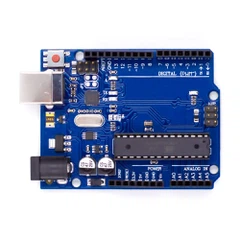




You need the right electronics component-such as a PWM controller, dimmer circuit, or resistor-to achieve a smooth fading led light effect. Fading a led demands precise control over brightness, which standard switches cannot provide. You might want this feature for automating lights to match your daily schedule, setting the scene for movie nights, or creating mood lighting that reacts to music. Always select components that match your system's voltage and current ratings to ensure safe and reliable operation.
Key Takeaways
- Use a PWM controller for the best fading effect. It provides precise brightness control and maintains color stability.
- Choose dimmer circuits carefully. Ensure they are LED-compatible to avoid flickering and damage to your lights.
- Consider using resistors or potentiometers for simple projects. They are low-cost but less efficient for high-power applications.
- Always check electrical ratings of components. Using mismatched parts can lead to failures and safety hazards.
- Follow proper installation practices. This ensures safe operation and enhances the lifespan of your LED lighting.
Electronics Component for Fading LED Light

When you want to create a fading led light, you need to choose the right electronics component. The most common options include pwm controllers, dimmer circuits, and resistors or potentiometers. Each electronics component offers unique advantages and limitations for controlling led brightness and achieving a smooth fading effect. Let's explore how each one works and what you should consider for your project.
PWM Controller
A pwm controller stands out as the most efficient electronics component for fading led light. This device rapidly switches the led on and off using pwm signals, adjusting the ratio of on-time to off-time (duty cycle) to control brightness. You get precise control over the fading effect, and the led maintains color stability across all brightness levels.
Tip: PWM controllers are ideal for applications where you want smooth, flicker-free dimming and long led lifespan, such as smart home lighting, mood lighting, or battery-powered devices.
Here's a comparison of pwm and traditional analog dimming methods:
|
Feature |
PWM (Pulse Width Modulation) |
Traditional Analog Dimming |
|---|---|---|
|
Energy Efficiency |
High |
Low (wastes energy as heat) |
|
Brightness Control |
Precise |
Less precise |
|
Heat Generation |
Minimal |
Significant |
|
Color Stability |
Maintained |
Varies with brightness |
|
Application |
Long battery life devices |
General use |
You benefit from pwm because it minimizes color changes in leds, provides a wide dimming range, and reduces heat generation. This electronics component also extends the operational life of your leds by lowering thermal stress. However, pwm controllers require additional logic, which can complicate your circuit design. Poorly designed pwm systems may cause flicker at low brightness, so you should select quality components and test your setup thoroughly.
Dimmer Circuit
A dimmer circuit is another popular electronics component for fading led light. This circuit modifies the electrical current flowing to the led, allowing you to adjust brightness smoothly. You will find two main types of dimmer circuits:
Leading-edge dimming: Works well with incandescent bulbs but is less suitable for leds.
Trailing-edge dimming: Cuts off the latter part of the AC waveform, providing smoother dimming and better compatibility with leds.
Some advanced dimmer circuits offer fade-on and fade-off features, which create a gradual transition in brightness. This is perfect for bedrooms, home theaters, or any space where you want a gentle lighting change.
Note: Not all dimmer circuits work with leds. Always check compatibility before installation. Incompatible components can cause flickering, buzzing, or even damage to your leds.
Common issues with traditional dimmer circuits include:
Incompatible components may lead to failures. Ensure all parts match.
Many dimmer switches do not work well with leds. Check compatibility before purchase.
Traditional dimmers may not handle the lower wattage of leds, causing flickering or failure. Use dimmers designed for led technology.
Flickering and buzzing often result from poor-quality bulbs or incompatible dimmers. Invest in high-quality leds and compatible dimmers.
Many leds do not dim as low as incandescent bulbs. Choose dimmable leds and advanced dimming technology.
To avoid these problems:
- Select dimmers labeled as 'led compatible'.
- Invest in quality led bulbs.
- Ensure proper installation and wiring.
Resistor and Potentiometer
You can also use a resistor or potentiometer as a simple electronics component for fading led light. A potentiometer acts as a variable resistor, letting you manually adjust the resistance in the circuit. By turning the knob, you control the electricity flow to the led, which changes the brightness.
Potentiometers are easy to use for basic fading led light projects.
Standard potentiometers are low-power devices, usually rated under 1 W. This limits their use with high-brightness leds or led strips. Using a potentiometer directly with these leds can cause overheating.
While resistors and potentiometers offer a low-cost solution, they have significant drawbacks. They waste energy as heat, provide less precise brightness control, and may not deliver a smooth dimming effect. For high-power or automated applications, pwm controllers or advanced dimmer circuits are a better choice.
Scenario: If you want to build a simple fader circuit for a small led night light, a potentiometer may suffice. For larger or more complex fading led light projects, choose pwm or digital dimming methods for better performance and safety.
Fading LED Light Circuit Design

Designing a fading led light circuit gives you precise control over brightness and creates a professional dimming effect. You can build a reliable led fader using basic components like resistors, capacitors, transistors, and the 555 timer. This approach works well for DIY projects, mood lighting, or any application where you want a slow-fade led circuit.
Basic Circuit Components
To create a fading led light circuit, you need a few essential parts. Here is a table showing typical values and quantities:
|
S.no |
Component |
Value |
Qty |
|---|---|---|---|
|
1. |
Battery |
9V |
1 |
|
2. |
LED |
– |
1 |
|
3. |
Resistor |
100K, 470 ohm |
1 |
|
4. |
IC |
NE555 timer |
1 |
|
5. |
Capacitor |
10uF |
1 |
|
6. |
Transistor |
BC547 |
1 |
You can use a 9V battery for portable circuits. The 555 timer operates at voltages from 4.5V to 15V, making it flexible for most led projects. The resistor and capacitor values set the timing for the fading effect, while the transistor controls the current to the led.
Using 555 Timer IC
The 555 timer is the heart of most fading led light circuits. You connect it in astable mode to generate pwm signals. These signals control the transistor, which adjusts the led brightness smoothly. Here is a summary of the 555 timer pin functions in this setup:
|
Pin |
Function |
Description |
|---|---|---|
|
1 |
GROUND |
Connected to negative supply |
|
2 |
TRIGGER |
Connected to timing capacitor |
|
3 |
OUTPUT |
Drives transistor base for led control |
|
4 |
RESET |
Connected to VCC |
|
5 |
CONTROL VOLTAGE |
Grounded with a capacitor |
|
6 |
THRESHOLD |
Linked to TRIGGER for timing |
|
7 |
DISCHARGE |
Not used here |
|
8 |
VCC |
Positive supply voltage |
The 555 timer charges the capacitor, which increases the base current to the transistor. This causes the led to fade in. When the capacitor discharges, the led fades out. By adjusting resistor and capacitor values, you can change the speed of the fading effect.
Tip: For a smoother dimming effect, use larger capacitor values or higher resistance. This slows the charge and discharge cycle, making the led brightness transition more gradual.
Transistors and Capacitors
Transistors play a key role in a fading led light circuit. They control the current flow to the led, allowing for a smooth change in brightness. A BC547 NPN transistor works well for most low-power leds. Capacitors create the delay needed for the slow-fade led circuit. By increasing the capacitor value, you extend the fade time.
You can find practical examples like the "Spooky Fading LED Eyes" project, which uses a 555 timer, a large capacitor, and an NPN transistor to achieve a smooth fading effect. Another example is the RGB LED constant current fade effect, which connects multiple leds for color transitions, though it may have some speed limitations.
When you design your fading led light circuit, always check the voltage and current ratings for each component. Most standard leds operate at 2V-3.5V and 10-20mA. The 555 timer can handle up to 200mA output, but using a transistor ensures safe operation and better control over brightness.
LED Brightness Control Methods
When you want to control the brightness of an LED, you can choose between PWM dimming and analog dimming. Each method offers unique benefits and challenges for your circuit. Understanding these differences helps you select the best approach for your LED fader or fading effect project.
PWM Dimming
PWM dimming uses rapid on-off switching, known as PWM signals, to adjust the average power delivered to the LED. You get a very linear change in brightness, which means the LED responds smoothly to your adjustments. PWM dimming keeps the color of the LED stable, even at low brightness levels. In real-world tests, PWM dimming produces a brighter output than analog dimming at the same voltage. You also avoid color shifts, making it ideal for applications like smart lighting, stage effects, or any circuit where you want a consistent dimming effect.
|
PWM Dimming |
Analog Dimming |
|---|---|
|
Brightness is adjusted by modulating the peak current in the driver |
Brightness adjusted by changing the DC going to the LED |
|
No Color Shift |
Possible Color Shift as LED current changes |
|
Possible current inrush problems |
No inrush current to device |
|
Frequency limitations & possible frequency concerns |
No frequency concerns |
|
Very linear change in brightness |
Brightness linearity not as good |
|
Lower Optical to electrical efficiency |
Higher optical to electrical efficiency |
Tip: PWM dimming works best when you need precise control and want to avoid color changes in your LED.
Analog Dimming
Analog dimming changes the direct current flowing through the LED to control brightness. This method can lead to inconsistent color temperature, especially at lower brightness. You may notice the LED appears warmer or shifts in color as you dim it. Analog dimming can also increase heat, which may shorten the LED's lifespan. The dimming range is often limited, so achieving a smooth fading effect at very low light levels can be difficult. For simple circuits or when color accuracy is not critical, analog dimming remains a practical choice.
Analog dimming can reduce color consistency.
It may cause the LED to run hotter, affecting lifespan.
You may see color shifts due to changes in the LED chip's output spectrum.
LED Driver Role
An LED driver is essential for safe and reliable brightness control. The driver regulates current, protecting your LED from overcurrent and voltage spikes. Modern drivers include features like short-circuit protection and thermal cutoff, which keep your circuit safe in demanding environments. You benefit from uniform lighting output and longer LED lifespan. A quality driver ensures your fading effect remains smooth and your LED fader operates efficiently.
- The driver maintains steady current for consistent brightness.
- Integrated protection features prevent overheating and failures.
- You get better energy efficiency and longer-lasting LEDs.
Note: Always use a compatible LED driver for your dimming circuit to maximize performance and safety.
Safety and Compatibility for Fading LED
Overheating and Phosphor Fading
You must pay close attention to overheating when working with any led circuit. Excessive heat can shorten the lifespan of your led, cause it to lose brightness, and even shift its color. The table below highlights the main consequences of overheating and phosphor fading:
|
Consequence |
Description |
|---|---|
|
Reduced lifespan |
Every 10°C rise above recommended temperatures can cut led life in half. |
|
Lumen depreciation |
Overheating causes leds to dim faster, reducing their useful life. |
|
Color shifting |
Heat changes phosphor chemistry, leading to unwanted color temperature shifts and poor color accuracy. |
|
Driver and circuitry failures |
Overheating damages drivers, causing flickering, instability, or total failure. |
Phosphor fading affects both color quality and light output.
You may notice warmer or cooler tones than expected.
Poor color rendering can impact spaces where accurate lighting matters.
Tip: Always provide proper ventilation and consider heat sinks for your led fixtures to prevent overheating and maintain a consistent fading effect.
Electrical Ratings
Selecting components with the correct electrical ratings is critical for safety and performance. If you exceed the rated current or voltage, you risk electrical over stress (EOS), which can damage your led or cause it to fail suddenly.
- Electrical Over Stress (EOS) happens when current or voltage goes beyond the component's rating.
- This stress can cause immediate failure or hidden long-term damage.
- Repeated stress may lead to catastrophic failure after extended use.
- Using the wrong led driver can cause flickering or low brightness.
- Mismatched drivers may result in loose connections and unreliable power.
- Incorrect wiring increases the risk of failure and reduces safety.
|
Organization |
Standard |
Description |
|---|---|---|
|
ANSI |
N/A |
Sets voluntary standards for lighting safety and performance. |
|
IEC |
IEC 60598 |
Global safety and performance standards for luminaires. |
|
UL |
UL 8750 |
Focuses on electrical safety for led lighting equipment. |
|
ISO |
ISO 9001 |
Ensures quality management and product reliability. |
|
Energy Star |
N/A |
Certifies energy-efficient products that meet strict criteria. |
Always check for these certifications when choosing electrical components for your led project.
Installation Tips
Proper installation ensures your fading led circuit works safely and reliably. Follow these best practices:
- Turn off the power supply before handling any electrical components.
- Use protective gear, such as insulated gloves and safety glasses.
- Follow the manufacturer's wiring instructions and use high-quality wires.
- Avoid overloading circuits by calculating the total electrical load.
- Regularly inspect and clean fixtures, checking for loose connections.
- Keep low voltage and high voltage wiring separate to reduce risks.
- Properly terminate all connections to led drivers.
- Use dimmers that are compatible with leds to prevent flickering.
- Assess your electrical system before installation to ensure compatibility.
- Provide adequate ventilation for fixtures to prevent overheating.
- Secure cables every 4.5 feet with clips or hangers.
- Choose only Class 2 or UL listed devices for low voltage wiring.
By following these steps, you protect your led system from common hazards and ensure a smooth, long-lasting fading effect.
You achieve the best fading results with a PWM controller, which offers precise control and extends the life of your led. Selecting the right method and electrical components ensures safe, reliable led lighting. Beginners often make mistakes such as ignoring circuit theory, not double-checking connections, or overloading parts. You can avoid these by following guides like the 555 timer tutorial or exploring popular projects such as kitchen lighting upgrades and creative diffusion techniques. Explore resources from the LED Learning Center to deepen your knowledge and experiment with new designs.
FAQ
Why does my LED light flicker when I try to fade it?
Flickering often happens because your dimmer or controller is not compatible with LEDs. You need to use a PWM controller or an LED-compatible dimmer to achieve smooth fading and avoid unwanted flicker.
Why should I use a PWM controller instead of a resistor for fading LEDs?
A PWM controller gives you precise brightness control and keeps your LED color stable. Resistors waste energy as heat and provide less accurate dimming. For professional results, always choose PWM for fading LED light bulbs.
Why do some LEDs not dim as low as traditional bulbs?
Some LEDs have built-in drivers that limit their dimming range. You need to select dimmable LEDs and compatible dimmers to achieve a full fading effect. Always check product specifications before purchase.
Why is overheating a concern when fading LED lights?
Overheating reduces LED lifespan, causes color shifts, and may damage internal drivers. You should ensure proper ventilation and use components rated for your LED's power to maintain safe operation.
Why do I need a special dimmer for LED bulbs?
Standard dimmers often do not match the electrical characteristics of LEDs. You need a dimmer labeled as "LED compatible" to prevent flickering, buzzing, or damage. This ensures reliable and safe fading performance.