




Aluminum 3D Printer: Rigid Frames, Motion Systems, and Heat Management
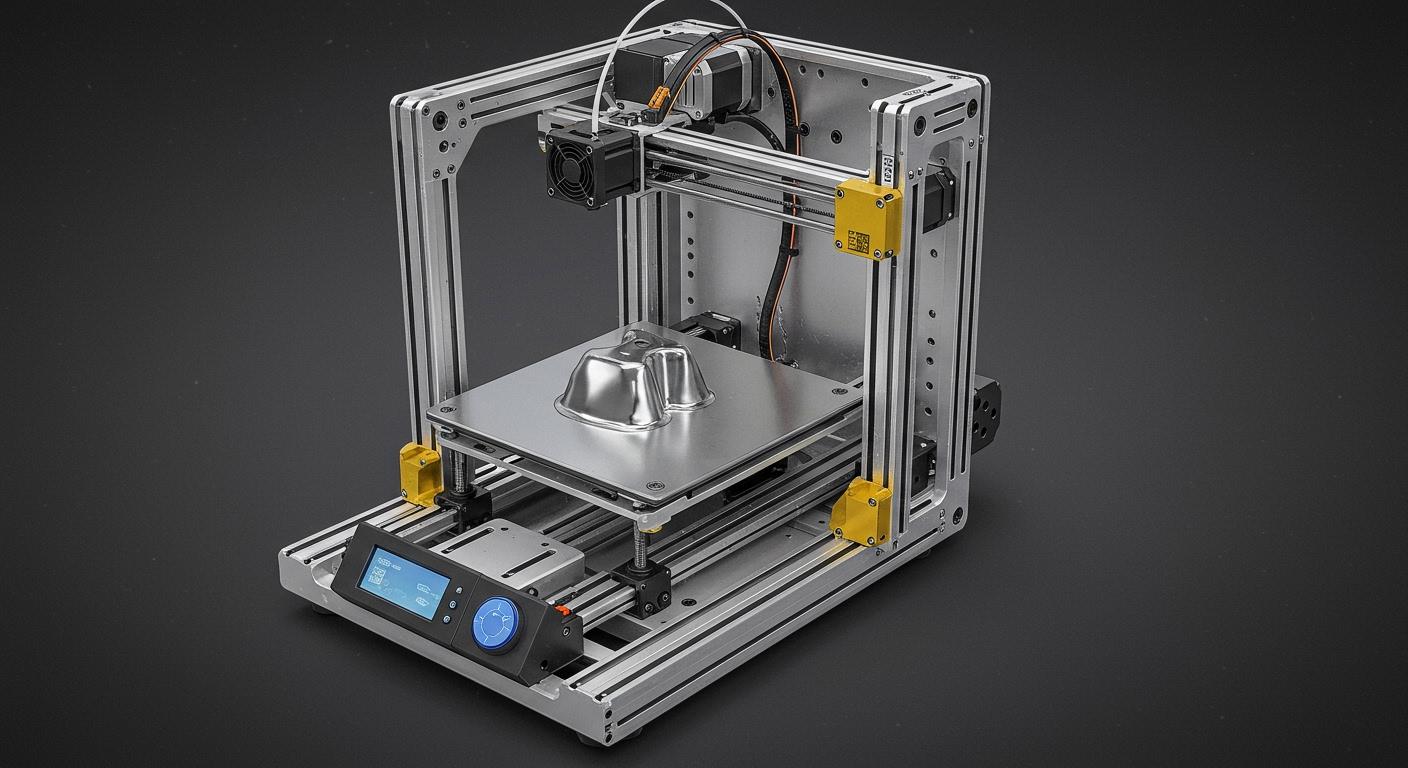
Manufacturers use aluminum for 3D printer frames because it is very strong and absorbs shaking well. An aluminum 3D printer is light, so you can move and set up your printer easily. You can put the printer together and work with it without much trouble, since aluminum is easy to cut, drill, and attach. These advantages help you work better and faster, ensuring your prints look good and your business thrives.
Light design makes it easy to carry.
Strong frame keeps the aluminum 3D printer steady.
Building and fixing the printer is simple and cost-effective.
Key Takeaways
Aluminum 3D printers are light and simple to carry. This makes setting up and moving them easy. A strong aluminum frame keeps the printer steady while it works. This helps prints look better and have fewer mistakes. Good heat management stops parts from bending. It also helps prints stay the same, even for hard shapes. Picking the right motion system, like rigid ones, helps make prints more exact. It also lowers mistakes when making things. Using aluminum 3D printing can save a lot of money. It also makes things faster for many businesses.
Aluminum 3D Printer Frames
Rigidity and Stability
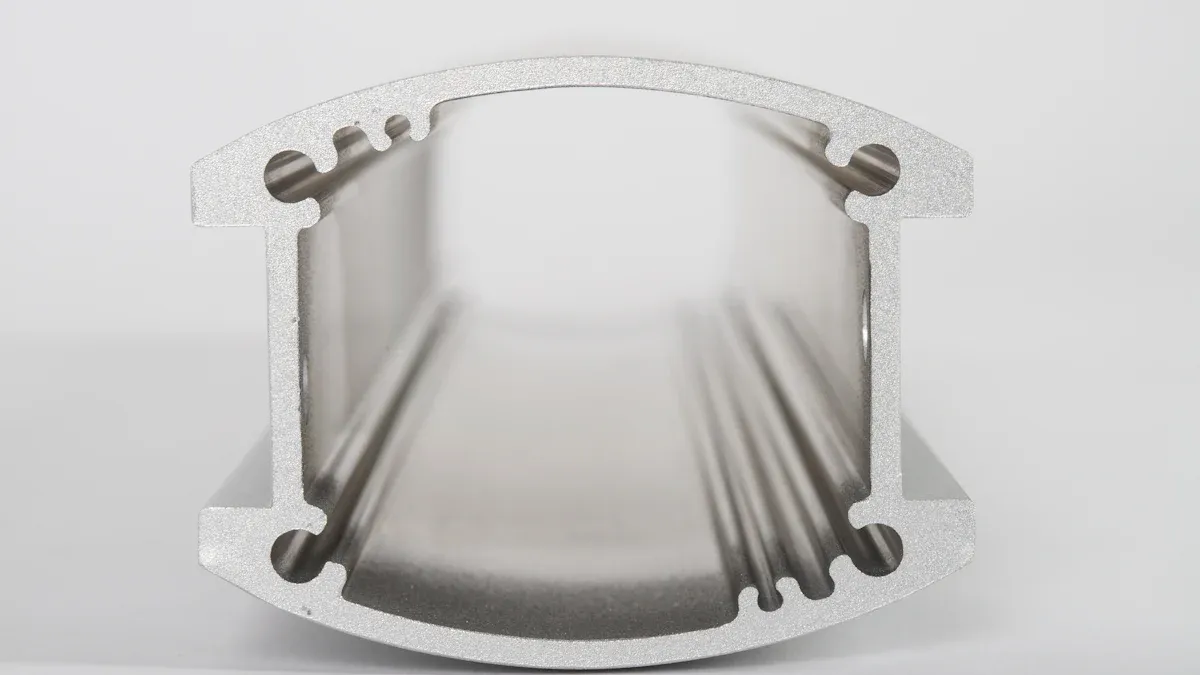
A strong frame helps your printer stay steady while printing. Full aluminum frames, like T-slot profiles and unibody designs, make the aluminum 3d printer very sturdy. T-slot aluminum lets you change and build your printer easily. The slots on each bar help you put parts where you want. This design keeps the printer stable and stops shaking, even when printing fast or with heavy jobs. Companies such as Modix and Fusion3 use these frames for good results in factories.
T-slot aluminum is easy to change and build.
T-slot aluminum is strong and keeps the printer steady.
Unibody designs are even stronger for careful work.
Print Quality Impact
A sturdy frame helps your prints look neat and exact. If your aluminum 3d printer does not shake or bend, each layer matches up well. This steadiness stops problems like layers moving or ghosting. You get smoother sides and sharper shapes, which is important for factory parts and models. Big build spaces are possible because the frame holds large heated beds without bending.
Tip: A steady frame means less fixing and longer printer life.
Material Comparison
You should pick the best material for your needs. Here is how aluminum, steel, and composite frames compare:
|
Material |
Weight (kg/m³) |
Tensile Strength (kN) |
Lifespan (years) |
Cost ($/kg) |
Scalability |
Corrosion Resistance |
|---|---|---|---|---|---|---|
|
Aluminum |
2700 |
≥70 |
15+ |
2.5 |
High |
Excellent |
|
Steel |
7850 |
≥100 |
20+ |
1.2 |
Medium |
Good |
|
Composite |
1600 |
30-50 |
10-12 |
4.0 |
Low |
Varies |
Aluminum frames are lighter than steel, so you can move and grow your machines more easily. They do not rust and last over 15 years, even after tough salt spray tests (IEC 60068-2-11). Steel is stronger but heavier and can rust. Composites are light but not as tough or steady as aluminum. For big build spaces and heated beds, aluminum gives you the best mix of strength, price, and flexibility.
Motion Systems in Aluminum 3D Printers
Precision and Speed
A motion system must be fast and accurate. Heavier aluminum parts need a strong motion system. Belt-driven systems are cheaper and good for light jobs. But belts can bend if the parts are heavy. This bending can make small mistakes in your prints. Rigid motion systems, like linear rails and ball screws, give better control. They help your printer stay exact. These systems help you get the same results every time. This is very important for big factory jobs.
Tip: Rigid motion systems help make more parts with fewer mistakes.
Durability Factors
Your motion system should last a long time. Aluminum frames hold up strong motion systems that do not wear out fast. You can use 3-axis probing and strong workholding to keep your printer working well. These features help stop problems and keep your business running.
|
Feature |
Benefit |
|---|---|
|
3-axis probing |
Makes sure the printer moves to the right spot every time. |
|
Robust workholding solutions |
Holds parts steady, so your prints look the same and are high quality. |
|
Integrated monitoring systems |
Helps your printer work well in busy factories. |
System Design Choices
Pick a motion system that fits your job. Belt-driven systems are good for small jobs and cost less. Rigid systems are better for big jobs and last longer. Some printers can use many materials or have hotwire-enhanced deposition. These features let you print faster and with more choices.
|
Feature |
Benefit |
|---|---|
|
Multi-material compatibility |
Lets you use different materials for more types of prints. |
|
Hotwire-enhanced deposition |
Makes printing faster and helps you finish jobs quickly. |
Take care of your aluminum 3d printer by cleaning and checking it often. This stops it from breaking down. Big companies like telecom operators and EPCs like strong motion systems. They get more work done and save money over time.
Heat Management in Aluminum 3D Printers
Thermal Conductivity
Aluminum is very good at moving heat. This makes it a great choice for heated beds and heat exchangers in 3D printers. You can see how well aluminum works in the table below:
|
Material |
Thermal Conductivity (W/mK) |
|---|---|
|
3D Printed Aluminum |
96.95 |
Because aluminum spreads heat fast, your printer heats up quickly. The heat moves evenly across the build platform. This helps keep the temperature steady everywhere. You do not get cold spots, so your prints turn out better. This is really helpful for big or tricky parts.
Safety and Performance
It is important to handle high heat safely in factories. Modern aluminum 3d printers have special safety features:
Thermal runaway protection (TRP) checks the temperature and turns off the printer if it gets too hot.
Some enclosures can shut down the printer if they sense too much heat.
Ventilation systems help remove extra heat and keep things safe.
You can control the temperature very closely, usually between 0-100°C. This helps you make better prints. A steady inside temperature stops warping and helps layers stick together. This matters a lot when printing with materials like ABS.
Note: Good heat control means less fixing and longer printer life.
|
Feature |
Description |
|---|---|
|
High-Temp Platform |
Can reach up to 100/150℃, which helps prints look better. |
|
Heating Bed |
High power lets you change the temperature fast and keep it steady. |
|
Structural Integrity |
A strong platform holds heavy things and keeps the printer safe. |
Advanced Applications
Aluminum's heat control helps in tough jobs. Additive manufacturing lets people make new kinds of heat exchangers. This brings better ways to handle heat. Aerospace companies, like KW Micro Power, use aluminum 3D printing to make parts that work better with heat. Gyroid TPMS cores in heat exchangers show how new shapes can replace old ones and work better.
Additive manufacturing helps make new heat exchangers for many jobs.
Aerospace companies use aluminum 3D printing to make parts handle heat better.
Gyroid TPMS cores in heat exchangers help them work better and last longer.
Value for Industrial Buyers
ROI and Cost Savings
Buying an aluminum 3d printer gives you more than new tech. You save money and make things faster. Many companies use printers like the Markforged Metal X and EOS M 290. These help lower costs and make work easier. You can save money in different ways:
|
Benefit |
Description |
|---|---|
|
Cost Savings |
3D printing can save up to 75% in sand casting costs. |
|
Time Savings |
Short throughput times and tool-free production lead to faster results. |
|
Flexibility |
High flexibility in number of pieces and mold design. |
|
Hybrid Design |
Combines 3D printing with conventional processes for enhanced efficiency. |
|
Reduced Storage Costs |
Eliminates storage and maintenance costs for conventional sand molds. |
You see these savings when you use 3D printing instead of old casting. A factory that spent a lot on sand molds now prints them when needed. This saves money on storage and care. You also finish jobs faster, so you can send products to customers sooner. You can change your plans or designs without extra cost.
Tip: With an aluminum 3d printer, you can make more or less parts fast. This helps you keep up with changes in the market.
Certification and Standards
Industrial buyers must follow strict rules for safety and quality. Top aluminum 3D printer makers build their machines to meet world standards. These rules make sure your parts are safe and work well in tough jobs like aerospace, cars, and medical.
|
Standard |
Description |
|---|---|
|
ISO/ASTM 52901-16 |
Guidance for procuring metal additive manufactured parts, ensuring quality and reliability across industries. |
|
ISO/ASTM 52904-19 |
Practices for ensuring reliability and performance of metal powder bed fusion processes, addressing challenges in safety-critical industries. |
|
ASTM F3301-18a |
Specifications for thermal post-processing of metal parts made via powder bed fusion, enhancing quality and reliability of AM-produced metal parts. |
Top makers also use quality systems like ISO 9001 and AS9100. These rules make sure every step, from getting materials to checking parts, meets high standards. You get parts with clear records and strong checks. This is very important in aerospace, where AS9100 shows your parts are safe and reliable.
Note: Certified parts and processes help you pass checks and win jobs in strict industries.
Procurement Considerations
When picking an aluminum 3D printer, look at more than just the machine. Think about the whole buying process, like how good the supplier is and what help they give after you buy. Here are some things to think about:
|
Procurement Consideration |
Description |
|---|---|
|
Understanding Industry Standards |
Knowledge of DMLS and its impact on microstructure and accuracy is crucial. |
|
Cost Efficiency |
Predictive analytics can reduce material costs by up to 15% through better supplier evaluation. |
|
Supply Chain Considerations |
3D printing can mitigate supply chain issues, especially in remote locations, by reducing lead times. |
|
Quality Control |
High-grade aluminum alloys are essential for ensuring the desired mechanical properties in printed parts. |
Check if the supplier can help you grow and support you. Good vendors help you go from testing to making lots of parts without big problems. They help you get to market fast and work in many fields, like medical, tools, or aerospace.
|
Scalability Options |
Description |
|---|---|
|
Transition from Prototypes to Production |
Seamless shift from initial designs to full-scale production. |
|
Rapid Market Entry |
Enables quicker entry into the market, crucial for competitive industries. |
|
Adaptability Across Industries |
Supports various sectors, showcasing versatility. |
Scenario: A telecom company needs special brackets for new jobs. With an aluminum 3d printer, you can print parts right away, skip shipping waits, and help teams in the field fast.
You might have problems when adding new printers to your work. These can be training workers, updating software, or keeping part quality the same. Good planning and strong help from your supplier make it easier. Pick suppliers who give training, repairs, and clear guides.
Remember: A good partner gives you the machine and the help you need to do well.
Choosing an aluminum 3d printer helps your business a lot. You get frames that are strong and last long. The motion systems are exact and work well. Heat management keeps the printer safe and steady. These things help you make parts that are light and tough. You can use them in aerospace, cars, hospitals, and factories.
|
Industry |
Benefit |
|---|---|
|
Aerospace |
Saves fuel and is strong |
|
Automotive |
Makes new designs fast |
|
Healthcare |
Builds custom implants |
|
Industrial |
Cuts down on costs |
Tip: Look at suppliers and check their certifications. Think about how much money you will save over time. This helps you pick the best printer for your company and lets you grow easily.
FAQ
Why should you choose an aluminum 3D printer for industrial use?
Aluminum 3D printers have strong frames. They help your prints stay steady. You get less shaking, so your parts look better. The printer is light and easy to move. This saves your business time and money.
Why does aluminum improve heat management in 3D printers?
Aluminum moves heat fast and spreads it out. The whole build plate stays the same temperature. This stops warping and makes prints better. Your printer also stays safe during long jobs.
Why do B2B buyers prefer aluminum 3D printers over steel or composites?
Aluminum printers are lighter than steel ones. You can move them and grow your work faster. Aluminum does not rust and lasts longer than composites. It is easier to meet tough industry rules with aluminum.
Why is a rigid frame important for print quality?
A rigid frame keeps the printer from moving. This stops layers from shifting or ghosting. Your parts come out smooth and fit together well. This matters when parts must work in real machines.
Why does aluminum matter for long-term ROI?
Aluminum 3D printers do not need much fixing. You spend less on repairs and waiting for fixes. They work well for many years. This helps your business grow and makes your investment worth more.