



Introduction:
Arduino has revolutionized the world of electronics with its user-friendly interface and versatile capabilities. However, one common challenge is that beginners often need help understanding how to start building Arduino projects quickly and without experiencing any unnecessary delays. This article will provide a comprehensive guide to kickstart your Arduino journey and help you minimize any potential obstacles.
1. Understanding the Basics:
Before diving into building Arduino projects, it is crucial to grasp the fundamental concepts. Arduino consists of a microcontroller along with a set of input and output pins. Take the time to understand the various components, their roles, and how they interact. Several online resources, tutorials, and Arduino's official documentation can help you get started.
2. Choosing the Right Arduino Board:
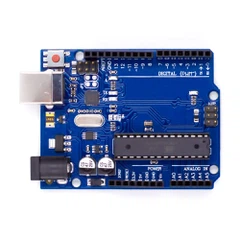
Arduino offers a range of boards, each tailored for specific purposes. Understanding your project requirements plays a vital role in choosing the appropriate board. Factors to consider include the number of input/output pins, memory limitations, processing speed, and power requirements. Arduino boards like Uno, Nano, and Mega are popular for beginners due to their flexibility and ease of use.
3. Installing the Arduino Software:
You must install the Arduino Integrated Development Environment (IDE) to program your Arduino board. Visit the official Arduino website and download the IDE compatible with your operating system. The IDE is the platform for writing, compiling, and uploading code to your Arduino board. Follow the installation instructions carefully to avoid any potential delays.
4. Writing Your First Arduino Sketch:
The term "sketch" refers to the program you write for Arduino projects. The sketches are written in a simplified version of C/C++ language. Begin with a basic sketch to understand the syntax and structure of Arduino code. Familiarize yourself with everyday functions such as "setup" and "loop" that form the backbone of any Arduino program.
5. Minimizing Delays with Non-blocking Techniques:
One common pitfall for Arduino beginners is using the delay() function, which pauses the execution of the program for a specified duration. Delaying prevents the microcontroller from responding to other inputs during that time. Instead, utilize non-blocking techniques like the 'millis()' function to create time intervals. This enables your program to run smoothly while attending to other tasks like reading sensors or controlling outputs.
6. Utilizing Libraries:
Arduino libraries provide pre-written code that simplifies complex tasks and minimizes errors. Explore the vast library collection on the official Arduino website and other online platforms. These libraries offer easy-to-use functions for various functionalities, including communicating with sensors, driving motors, and controlling displays. Incorporating libraries in your projects eliminates the need to reinvent the wheel and accelerates development.
7. Troubleshooting Common Issues:
In Arduino building, encountering issues is inevitable. When faced with challenges, leverage online forums, communities, and troubleshooting guides. Arduino has an active user community ready to assist with doubts, errors, or problems you encounter during your project development. Be patient, learn from mistakes, and embrace the learning process.
Conclusion:
Starting your Arduino building journey with minimal delays is possible through a systematic approach and learning from established best practices. By understanding the basics, selecting the appropriate Arduino board, writing efficient sketches, implementing non-blocking techniques, utilizing libraries, and seeking assistance when needed, you can overcome any obstacles that may arise. Embrace the excitement of Arduino building and let your creativity flourish with this powerful platform.