

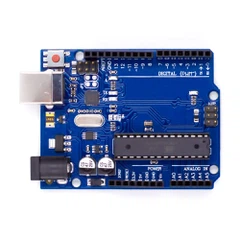
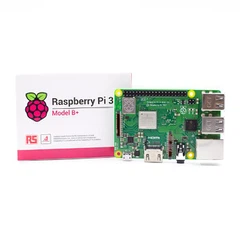


A raspberry pi kit gives users everything they need to start building and experimenting with technology. People choose a raspberry pi kit for its low cost, flexibility, and ease of use. Raspberry pi devices have sold over 60 million units worldwide, showing strong demand among students, hobbyists, and professionals. The kit appeals to anyone interested in learning new skills, building projects, or exploring computing. Many use a complete raspberry pi kit for rapid prototyping, smart home devices, or educational tools. Raspberry pi 4 remains a popular choice for both beginners and experts.
Market research highlights several common uses for a raspberry pi kit:
- STEM education in schools and universities
- Maker projects and DIY electronics
- IoT development and industrial automation
- Rapid prototyping in startups
- Energy-efficient computing and smart city applications
Raspberry pi kits support learning through hands-on experience and encourage creativity in countless fields.
Raspberry Pi Kit Uses
Learning Programming
Many people start with a raspberry pi kit because it makes learning to program fun and accessible. Schools and libraries use these kits to teach coding to children as young as eight. Educators often choose Scratch, a block-based language that comes preloaded on the Raspberry Pi's operating system. Scratch introduces basic coding concepts in a way that feels like playing a game. As students grow more confident, they move on to Python, which is also included in most raspberry pi kits. Python lets users control hardware like buzzers, sensors, and even Minecraft Pi, where learners can manipulate the game world through code. This hands-on approach helps students and beginners understand programming by seeing real results from their code.
Tip: Raspberry Pi projects often combine coding with physical electronics, making lessons more interactive and memorable.
DIY and Hardware Projects
A raspberry pi kit opens the door to countless DIY and hardware projects. Makers and hobbyists use raspberry pi to build everything from retro gaming consoles to custom robots. For example, a raspberry pi 4 can power a home media center with 4K streaming using Kodi software. Some users create personal game servers for Minecraft or Doom, while others build robots with mecanum wheels or balance cars. The raspberry pi stands out from microcontrollers like Arduino because it runs a full operating system, supports multiple applications, and handles complex tasks such as multimedia and networking. This makes it ideal for hardware projects that need more computing power and flexibility.
|
Project Type |
Description |
Required Kits/Accessories |
Additional Notes |
|---|---|---|---|
|
Mecanum Wheel Chassis Robot |
Mobile robot for tight spaces, used in robotics and wheelchairs |
Open-source hardware platform components |
Enables precise movement in constrained environments |
|
Home Media Centre |
4K streaming media center using Kodi on Raspberry Pi 4 |
Raspberry Pi 4B Media Centre Kit, audio accessories, HDMI/Ethernet cables |
Supports music and voice recognition features |
|
Retro Gaming System |
Retro console with emulators like Retropie |
Raspberry Pi 4B Starter Kit, Retro Game Arcade Kits |
Easy setup, supports multiple emulators |
|
Game Server |
Host multiplayer games like Minecraft or Doom |
Raspberry Pi 4, Micro SD Card, Ethernet cable, remote SSH, game copies |
Customizable game worlds |
Home Automation
Home automation is one of the most popular uses for a raspberry pi kit. Users can control smart lights, automate garden watering, or set up home security systems with motion detection. Many people build voice-activated assistants or smart temperature monitors to make their homes more comfortable and energy-efficient. By using free, open-source software like Home Assistant, a raspberry pi kit can replace expensive commercial hubs. This approach saves money and allows users to customize their smart home setup without paying for subscriptions. The raspberry pi also supports integration with a wide range of smart devices, making it a flexible choice for home automation projects.
- Smart lighting control with mobile apps or voice commands
- Automated garden watering based on soil moisture
- Home security with cameras and motion sensors
- Voice-activated home assistants
- Smart temperature and humidity monitoring
Note: Building a smart home with a raspberry pi kit often costs less than buying commercial solutions and avoids ongoing fees.
Media Centers
Turning a raspberry pi into a media center is a favorite project for many users. Kodi, a free and open-source media player, is the most popular software for this purpose. It supports a wide range of media files and streaming services. Users can install Kodi directly on Raspberry Pi OS, or use distributions like OSMC or LibreELEC, which come with Kodi pre-installed. A raspberry pi 4 media center kit includes everything needed for smooth HD or even 4K playback. While dedicated streaming devices may offer faster performance and easier integration with some services, a raspberry pi media center remains a customizable and affordable option for those who want to control their own entertainment system.
|
Software Platform |
Description |
Key Features |
Ideal For |
|---|---|---|---|
|
Kodi |
Open-source media player, optimized for Raspberry Pi |
Supports many formats, streaming, customizable |
Core media center software |
|
OSMC |
Linux distribution with Kodi pre-installed |
Full Linux, user-friendly interface |
Users wanting a full system |
|
LibreELEC |
Minimal OS focused on Kodi |
Lightweight, efficient |
Simple, dedicated Kodi system |
Robotics and IoT
Robotics and IoT (Internet of Things) projects thrive with a raspberry pi kit. Makers build robots that walk, roll, or even play games. For example, some create tank robots controlled over a network, while others design color detection systems or motion-controlled devices. Advanced projects include quadruped robot dogs with AI and voice control, robot arms with Bluetooth or Wi-Fi, and even humanoid robots with cameras and microphones. The raspberry pi's processing power and ability to run multiple programs make it perfect for these complex robotics projects. It also connects easily to sensors and other electronics, allowing users to experiment with automation, machine learning, and remote control.
- Gamified mobile tank robots
- Voice-controlled robot pets
- AI-powered quadruped robots
- Robot arms and humanoids
- GPS tracking and autonomous navigation
Industrial and Scientific Applications
Industries and researchers use raspberry pi kits for a wide range of applications. Companies integrate raspberry pi compute modules into industrial computers to boost performance and reduce costs. Some businesses use raspberry pi 4 for media players in public spaces, while others develop touchscreen directories for shopping centers. Raspberry pi also powers thin client solutions for offices and remote work. In science, raspberry pi boards fly on CubeSats and satellites, thanks to their reliable developer environment and proven track record. The platform's flexibility, low cost, and strong software ecosystem make it a smart choice for modernizing legacy systems, enabling predictive maintenance, and connecting to cloud platforms for real-time monitoring.
|
Aspect |
Advantages |
Limitations and Challenges |
|---|---|---|
|
Cost |
Budget-friendly for small to medium enterprises |
N/A |
|
Flexibility |
Easy customization and scalability |
Compatibility issues with legacy systems and protocols |
|
Software Ecosystem |
Wide range of open-source tools and programming environments |
Potential cybersecurity risks |
|
IoT Integration |
Real-time monitoring and predictive analytics |
Need for robust security measures |
|
Hardware I/O Options |
Multiple GPIO pins and expansion boards |
Reliability concerns in high-stakes environments |
|
Deployment & Maintenance |
Plug-and-play experience, large community support |
Requires thorough testing and backup systems |
Note: Raspberry pi kits help industries modernize, automate, and innovate without breaking the bank.
Why Raspberry Pi Kit is Useful
Affordability
People often choose a raspberry pi kit because it offers impressive value for money. The raspberry pi stands out as one of the most affordable computing platforms available. When compared to similar single-board computers or microcontrollers, the raspberry pi kit delivers a competitive price-to-performance ratio. Take a look at the table below:
|
Device / Kit |
Price Range (USD) |
Notes |
|---|---|---|
|
Raspberry Pi 4 |
Starting at $35 |
Highly affordable, versatile, and well-supported |
|
Raspberry Pi 5 (8GB) |
$100 |
Mid-range price for latest model |
|
Rock Pi 4 |
> $35 |
Pricier than Pi 4 but offers better CPU/GPU performance |
|
ASUS Tinker Board |
Similar to Pi 4 |
Comparable performance and form factor, affordable |
|
UDOO Bolt (V3 and V8) |
$300 - $400+ |
High-end SBC, significantly more expensive, desktop replacement |
|
Microcontroller-related boards |
$523 - $675+ |
Some controllers and accessories are very expensive |
|
Accessories and cases |
$10 - $40 |
Lower-cost add-ons for SBCs |

The raspberry pi kit's low price makes it accessible for students, educators, and hobbyists. Many families and schools can afford to buy several raspberry pi kits for group learning or experimentation.
Versatility
A raspberry pi kit adapts to almost any project. Users can select from a wide range of models, from the ultra-compact Zero series to powerful Compute Modules. The raspberry pi 5 features a fast quad-core processor, USB 3.0 ports, and advanced graphics, which means it can handle demanding tasks. Multiple RAM options let users pick the right memory for their needs. The raspberry pi supports at least 14 different operating systems, including Raspberry Pi OS, Ubuntu, and Kali Linux. This flexibility allows users to experiment with coding, robotics, media centers, and more.
- Raspberry pi kits support loading various operating systems.
- Shelf modules extend functionality for testing and prototyping.
- The platform suits both beginners and advanced users.
Community Support
The raspberry pi community is huge and active. Online forums, such as the official Raspberry Pi Forum, offer help and inspiration. Users share projects, ask questions, and get answers from Raspberry Pi engineers. The community also participates in events like Maker Faires and embedded systems conferences. Educational resources, tutorials, and troubleshooting guides are easy to find. The Raspberry Pi Foundation provides official documentation, student lessons, and teacher resources. This strong support network helps users of all ages and backgrounds succeed with their raspberry pi projects.
Tip: New users can find answers to almost any raspberry pi question by searching community forums or reading official guides.
Portability and Power Efficiency
A raspberry pi kit is small and lightweight, making it perfect for fieldwork or classroom use. Students carry raspberry pi kits to libraries, cafes, or competitions. The compact size allows discreet testing and learning in real-world settings. Raspberry pi devices use very little power compared to standard desktop computers. For example, the Raspberry Pi Zero 2 W consumes about 600 mW when idle, while desktops use tens to hundreds of watts. Even the raspberry pi 5 draws less power than most mini PCs, which means users save on energy costs and can run projects off battery packs.
- Portability enables on-site testing and learning.
- Low power consumption supports continuous operation in the field.
- Raspberry pi kits help users explore technology anywhere.
Popular Raspberry Pi Projects
Raspberry pi projects come in all shapes and sizes. Makers, students, and professionals use raspberry pi kits to build everything from simple gadgets to advanced systems. The variety of projects shows how flexible and powerful raspberry pi can be for anyone interested in electronics or programming.
Smart Home Devices
Many people start with smart home devices. Raspberry pi kits help automate lights, control thermostats, or manage garden watering. Beginners often build smart lights or temperature monitors. These projects teach basic electronics and programming. More advanced users connect their raspberry pi to cloud platforms for remote control and data analysis.
Retro Gaming Consoles
Retro gaming consoles remain one of the most popular raspberry pi projects. Users turn their raspberry pi 4 into classic game systems using emulators like RetroPie. This project is easy to start and brings old-school games back to life. Players can use USB controllers and enjoy thousands of classic titles. Many online guides help beginners set up their own gaming console in just a few hours.
|
Project Type |
Description |
Popularity |
Difficulty |
|---|---|---|---|
|
Classic Game Console |
Play retro games with emulators on raspberry pi |
Most common |
Easy |
|
Video Streaming |
Use raspberry pi for screen recording and streaming |
Very popular |
Easy |
|
Spotify Remote Control |
Stream music with Spotify integration |
Popular in homes |
Easy |
Personal Web Servers
A raspberry pi can host a personal web server. Students and hobbyists use this project to learn about web hosting, networking, and security. Setting up a web server helps users understand how websites work. Raspberry pi kits make it easy to experiment with different server software and build a portfolio of web projects.
AI and Machine Learning Projects
Advanced raspberry pi projects often include AI and machine learning. Makers connect sensors and cameras to their raspberry pi, then use Python to process data. Some build smart cameras that recognize faces or objects. Others send sensor data to the cloud for analysis. These projects require more programming skills and a good understanding of electronics.
Home Security Systems
Home security systems are another favorite. Raspberry pi kits power motion-detecting cameras, smart doorbells, and alarm systems. Beginners can build simple security cameras, while advanced users add cloud storage and real-time alerts. These projects show how raspberry pi can protect homes and teach valuable skills in electronics and coding.
Tip: Raspberry pi projects range from beginner-friendly smart lights to advanced AI systems. Anyone can find a project that matches their skill level and interests.
Who Should Use a Raspberry Pi Kit
Students and Educators
Students and teachers find raspberry pi kits especially useful in classrooms and clubs. These kits make learning interactive and hands-on. Raspberry pi Pico helps students move from simple block-based coding to more advanced programming. Teachers use free curricula and resources to guide lessons and activities. Students build motorized buggies, line-following cars, and other physical computing projects. These activities boost engagement and help students understand inputs, outputs, and processing. Raspberry pi kits reinforce skills in Python and encourage problem-solving. Students learn to debug hardware and code, which builds resilience and confidence. Schools in the United States, Canada, and Mexico include raspberry pi in their curricula to promote digital literacy and technical skills. Classroom kits like GoPiGo robots make setup easy and support group learning.
Note: Raspberry pi kits help students see computing as more than just software, opening doors to future careers.
Benefits for students and educators:
- Interactive physical computing projects
- Reinforced programming skills
- Improved problem-solving and resilience
- Free teaching resources and structured curricula
- Suitable for all ages and skill levels
Hobbyists and Makers
Hobbyists and makers use raspberry pi kits to bring creative ideas to life. They often start with beginner-friendly robotics projects, such as building simple robots with easy Python coding. Machine learning projects are popular, too. Makers train models to sort LEGO bricks or identify objects using camera modules. Some design systems for trash classification or defect detection in factories. Raspberry pi kits also power desktop computers, media centers, and retro gaming setups. The strong emphasis on robotics and machine learning shows how versatile raspberry pi can be for personal projects.
Popular projects among hobbyists:
- Simple robots with CamJam EduKit
- Machine learning for object recognition
- Trash classification systems
- Factory defect detection
- Media centers and gaming consoles
Developers and Professionals
Developers and professionals rely on raspberry pi kits for prototyping and product development. These kits include boards, power supplies, microSD cards, cases, and accessories. Raspberry pi Compute Modules allow quick transitions from prototype to product with minimal code changes. This approach shortens time to market and supports scalable development. Professionals use raspberry pi for programming, DIY electronics, and IoT applications. GPIO pins and breadboards make hardware experimentation easy. Python programming on raspberry pi OS helps customize and test new ideas. The small footprint and standardized components reduce obsolescence risk and enable competitive product design.
- Fast prototyping with Compute Modules
- Simplified carrier board design
- Long-term availability and future-proofing
- Compact device footprints
- Scalable product development
Tip: Raspberry pi kits give professionals a reliable platform for innovation and rapid product launches.
A raspberry pi kit gives users a powerful way to learn, create, and innovate. People use raspberry pi for robotics, home automation, gaming, and education because it adapts to almost any project.
The kit's affordability and hardware flexibility make it accessible for beginners and experts.
Strong community support and open-source options encourage creativity and collaboration.
Anyone can start exploring technology with raspberry pi. Why not imagine what you could build next?
FAQ
Why do people choose a Raspberry Pi kit for learning programming?
Many choose a Raspberry Pi kit because it offers hands-on experience with real hardware. Students see results instantly, which makes learning more engaging. The kit supports popular languages like Python and Scratch, making Raspberry Pi projects ideal for beginners.
Why is a Raspberry Pi kit better for DIY projects than a regular computer?
A Raspberry Pi kit uses less power and takes up less space than a desktop. Makers can connect sensors and motors directly. Raspberry Pi 4 handles complex tasks, so users build creative Raspberry Pi projects without expensive equipment.
Why do schools and clubs use Raspberry Pi kits for STEM education?
Schools and clubs use Raspberry Pi kits because they are affordable and easy to set up. Students work together on Raspberry Pi projects, which helps them learn teamwork and problem-solving. The kits support a wide range of activities, from coding to robotics.
Why is Raspberry Pi 4 popular for home automation?
Raspberry Pi 4 offers enough power to run smart home software and connect to many devices. Users automate lights, cameras, and sensors with ease. The kit's flexibility and low cost make it a favorite for home automation Raspberry Pi projects.
Why does the Raspberry Pi community matter for new users?
The Raspberry Pi community provides support, tutorials, and troubleshooting tips. New users find answers quickly and get inspired by shared Raspberry Pi projects. This strong network helps everyone succeed, from beginners to advanced makers.
Tip: The Raspberry Pi Foundation website offers free guides and lesson plans for all skill levels.
|
Resource Type |
Where to Find It |
|---|---|
|
Tutorials |
Raspberry Pi Foundation website |
|
Forums |
Official Raspberry Pi Forum |
|
Project Ideas |
Community blogs and YouTube |
References
Raspberry Pi Foundation. (2024). Raspberry Pi Documentation
Raspberry Pi Foundation. (2024). Raspberry Pi Community Projects
Statista. (2024). Raspberry Pi Sales Figures